

Summer Heat Linked To Record 5,258 Deaths In England In 2026
CWU heat illness advice pertinant
 More than 5,200 deaths in England were linked to extreme heat during the summer of 2026, marking the highest provisional annual figure since records began in 2016, according to the UK Health Security Agency (UKHSA).
The agency estimated that 5,258 deaths were associated with high temperatures between May and September. This is significantly higher than the previous record of 2,985 deaths in 2022. By comparison, heat-associated deaths totalled 2,295 in 2023, 1,311 in 2024 and 1,504 in 2025.
The CWU has for many years warned about wokring in summer heat, and to ensure health and safety of workers is put first. But, one area much neglected and misunderstood is the affect of heat upon the individual who needs to take medication and how in many cases the eficacy of medication can be reduced when working in high temperatures such as those now becoming normal because of climate change.

The figures come after England experienced its hottest summer on record, characterised by prolonged dry conditions and unprecedented temperatures. The mercury reached 38C (100.4F) in Norfolk in June, followed by a peak of 38.2C in Gloucestershire in August. July was also the driest on record, with rainfall measuring just 7mm.
The deadliest period was the heatwave between 21 and 28 June, which was associated with an estimated 2,401 deaths. More than 3,000 heat-related deaths were recorded during the first two heat episodes of the season in May and June.
UKHSA reported seven heat episodes throughout the summer, lasting a combined 41 days. Both figures represent the highest levels since monitoring began in 2016. The June heatwave also prompted England's second-ever red heat-health alert, highlighting the severity of the conditions.
 Dr Ross Thompson, UKHSA's principal environmental health scientist, said the figures demonstrated the growing health consequences of climate change.
“Climate change is already affecting people’s health in England, and as the climate continues to warm we can expect periods of extreme heat to become longer, more frequent and more intense,” he said.
He stressed the importance of preparing individuals, communities, healthcare providers and local organisations for extreme temperatures, adding that action taken today would influence the health impacts experienced in the coming decades.
UKHSA also warned that early-season heatwaves can be particularly dangerous because people and public services may be less prepared for rising temperatures. The agency recommended introducing heat-health measures at the beginning of summer rather than waiting until the hottest periods arrive.
Environmental campaigners have also called for stronger government action to address the risks associated with extreme heat.
 Maja Darlington, a climate campaigner at Greenpeace, described the death toll as a consequence of political decisions rather than an unavoidable natural event. She criticised continued support for fossil fuel development and called for greater investment in protecting schools, hospitals and care homes from rising temperatures.
Darlington also warned that approving new oil and gas projects, weakening electric vehicle targets and supporting Heathrow expansion could contribute to increasingly dangerous summers. She urged the government to change course and ensure fossil fuel companies contribute towards the costs of climate adaptation.
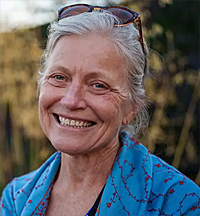 Emma Howard Boyd, chair of the National Heat Risk Commission and professor at the Grantham Research Institute on Climate Change and the Environment, described the figures as a serious warning.
She noted that more than 5,200 heat-associated deaths had occurred in England in a single summer, against projections from the Climate Change Committee suggesting annual heat-related deaths could reach 10,000 across the UK by 2050.
Howard Boyd said extreme heat was becoming an increasingly urgent public health emergency and called for immediate action, stressing that the risks were already understood and that practical solutions were available.
UKHSA said adapting homes, neighbourhoods and health and social care services to higher temperatures would become increasingly important as the climate warms. It also emphasised the need to reduce greenhouse gas emissions to limit further temperature increases.
The agency cautioned that the 2026 figures remain provisional because death registration data for the period is not yet complete.
Source: The Guardian / CWU
